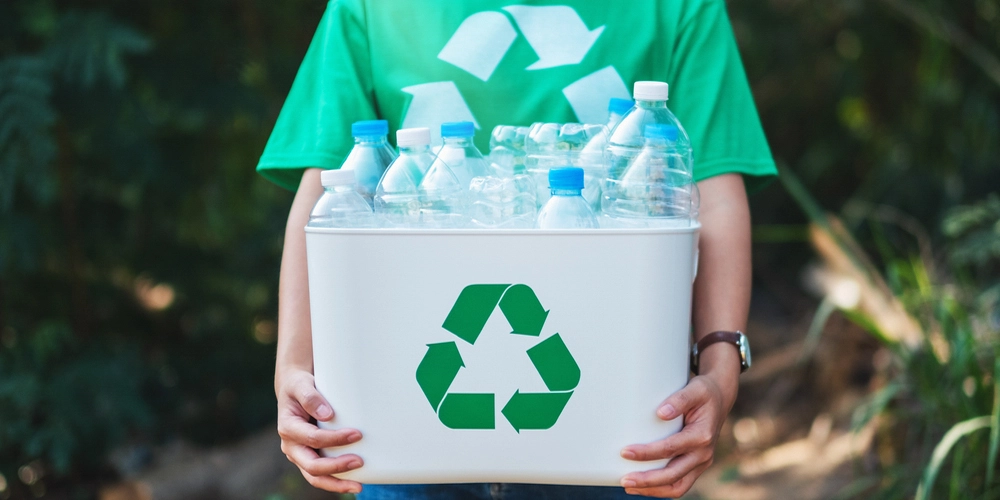
Plastic has become an integral part of our daily lives, but its improper disposal poses a significant threat to the environment. As we face the consequences of plastic pollution, recycling has emerged as a vital solution for a greener future. In this blog, we will explore the numerous benefits of plastic recycling and how it can contribute to a sustainable and eco-friendly world.
Plastic recycling helps conserve valuable natural resources such as crude oil, natural gas, and water. By reusing plastic materials, we reduce the need for new production, thereby saving energy and reducing resource extraction. Recycling one ton of plastic can save around 2,000 gallons of oil, further diminishing our reliance on fossil fuels.
One of the most evident benefits of plastic recycling is the significant reduction in landfill waste. Plastics take hundreds of years to decompose naturally, occupying vast amounts of space in landfills. By recycling plastic, we divert it from landfills and ensure its proper management, alleviating the strain on our limited landfill capacities.
The process of recycling plastic consumes less energy compared to producing new plastic from raw materials. Recycling facilities use innovative techniques to transform plastic waste into new products, thereby reducing the energy consumption associated with extraction, refining, and manufacturing processes. This energy conservation directly contributes to the reduction of greenhouse gas emissions and helps combat climate change.
Plastic pollution has severe implications for our ecosystems and wildlife. Recycling plastic prevents it from ending up in our oceans, rivers, and forests, safeguarding marine life, birds, and land animals from the harmful effects of plastic debris. By choosing recycling over disposal, we actively contribute to environmental protection and the preservation of biodiversity.
The recycling industry has the potential to create numerous employment opportunities. From collection to sorting, processing, and manufacturing, plastic recycling involves a range of activities that require a skilled workforce. By promoting recycling initiatives, we not only protect the environment but also foster economic growth through the creation of sustainable jobs.
Plastic recycling plays a vital role in the transition towards a circular economy. Instead of following the traditional linear model of production and disposal, a circular economy aims to keep materials in use for as long as possible. By recycling plastic, we close the loop, transforming waste into valuable resources and reducing the demand for virgin materials.
The practice of plastic recycling fosters education and awareness about sustainable consumption and waste management. By engaging in recycling programs and initiatives, individuals become more conscious of their environmental footprint. This increased awareness can lead to further behavioral changes, encouraging people to reduce, reuse, and recycle other materials, thereby promoting a holistic approach to environmental stewardship.
Plastic recycling holds immense potential in shaping a greener and more sustainable future. Its benefits extend beyond waste management and contribute to resource conservation, reduced landfill waste, energy conservation, environmental protection, job creation, and the promotion of a circular economy. Embracing plastic recycling as a collective effort can help us mitigate the negative impact of plastic pollution, paving the way for a healthier planet for generations to come. Let us join hands in making plastic recycling an integral part of our lives and shaping a greener future for all.


