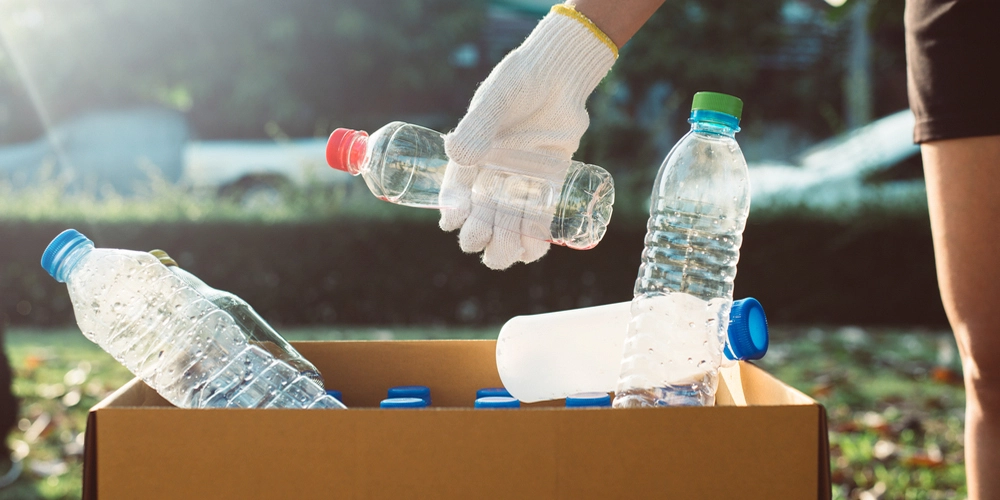
Plastic recycling has become an essential practice in today's world as we struggle with the growing concern of plastic pollution. Recycling offers hope in reducing the environmental impact of plastic waste and conserving resources. However, it is crucial to understand the effectiveness of plastic recycling and its limitations to make informed decisions about waste management. In this article, we examine the effectiveness of plastic recycling and explore its benefits and challenges.
Plastic recycling offers several environmental and economic advantages. Firstly, it reduces the need for virgin plastic production, which requires vast amounts of energy and contributes to greenhouse gas emissions. By recycling plastic, we can conserve energy and lower carbon emissions. Additionally, recycling helps to conserve valuable natural resources, such as petroleum, which is the primary raw material for plastic production. Recycling also prevents plastic waste from ending up in landfills or polluting our oceans, reducing the harmful impact on ecosystems and wildlife.
While plastic recycling holds great potential, it faces numerous challenges. One significant hurdle is the complexity of plastic itself. Plastic is a diverse material with various types, each requiring specific recycling processes. Mixing different types of plastic can lead to inferior recycled products. Therefore, proper sorting and separation of plastic waste is crucial, which requires consumer awareness and effective waste management systems.
Another challenge lies in the collection and transportation of plastic waste. Inadequate infrastructure and lack of recycling facilities in certain areas limit the accessibility and effectiveness of recycling programs. Additionally, low market demand for recycled plastic products can discourage recycling efforts, as it affects the economic viability of recycling operations.
To enhance the effectiveness of plastic recycling, multiple approaches can be adopted. Firstly, governments and organizations should invest in developing robust recycling infrastructure, including efficient collection systems and recycling facilities. Awareness campaigns and education initiatives can promote responsible plastic consumption and improve sorting practices among consumers.
Furthermore, innovative technologies are emerging to tackle the challenges of plastic recycling. Advanced sorting techniques, such as automated optical sorting, can improve the efficiency and accuracy of plastic separation. Moreover, research and development efforts are focused on creating new recycling methods for challenging plastics, such as multi-layered or heavily contaminated plastics.
Plastic recycling, although not without challenges, plays a crucial role in mitigating plastic pollution and conserving resources. It offers environmental benefits by reducing energy consumption, greenhouse gas emissions, and the reliance on virgin plastic production. However, the effectiveness of plastic recycling depends on proper waste management, infrastructure development, consumer awareness, and market demand for recycled products. By addressing these challenges and embracing innovation, we can unlock the full potential of plastic recycling and work towards a more sustainable future.


